Food Scrap Diversion + Compost
In 2022, Anamata ran surveys with local eateries across the island to get an idea of how much food waste was ending up in the bin.
While many had systems in place to ensure scraps were getting composted or otherwise safely diverted from landfill, we found that some needed support in disposing of their food scraps correctly.
Since then, food scraps have been collected by Anamata staff, or brought in by operators from a number of our cafes and retailers.
The volume of food scraps being brought in to Anamata for free by households and local businesses is steadily increasing with 1.4 tonnes of scraps diverted in the past year.
If there’s one thing you can do to help our environment, it’s keeping your food scraps out of the bin.
Why compost?
Food scraps and green matter from the garden are actually packed with nutrients that can be given a second life as a resource to re-feed the soil, keeping the gardens and fruit trees happy.
When food scraps end up in the landfill, those valuable nutrients aren’t able to be utilised, and the organic matter cannot break down, due to lack of aeration in refuse piles. Those food scraps then begin to produce toxic methane gas which traps heat in the atmosphere.
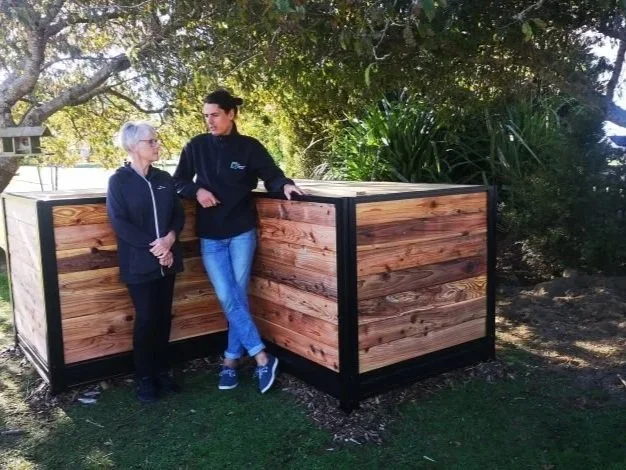
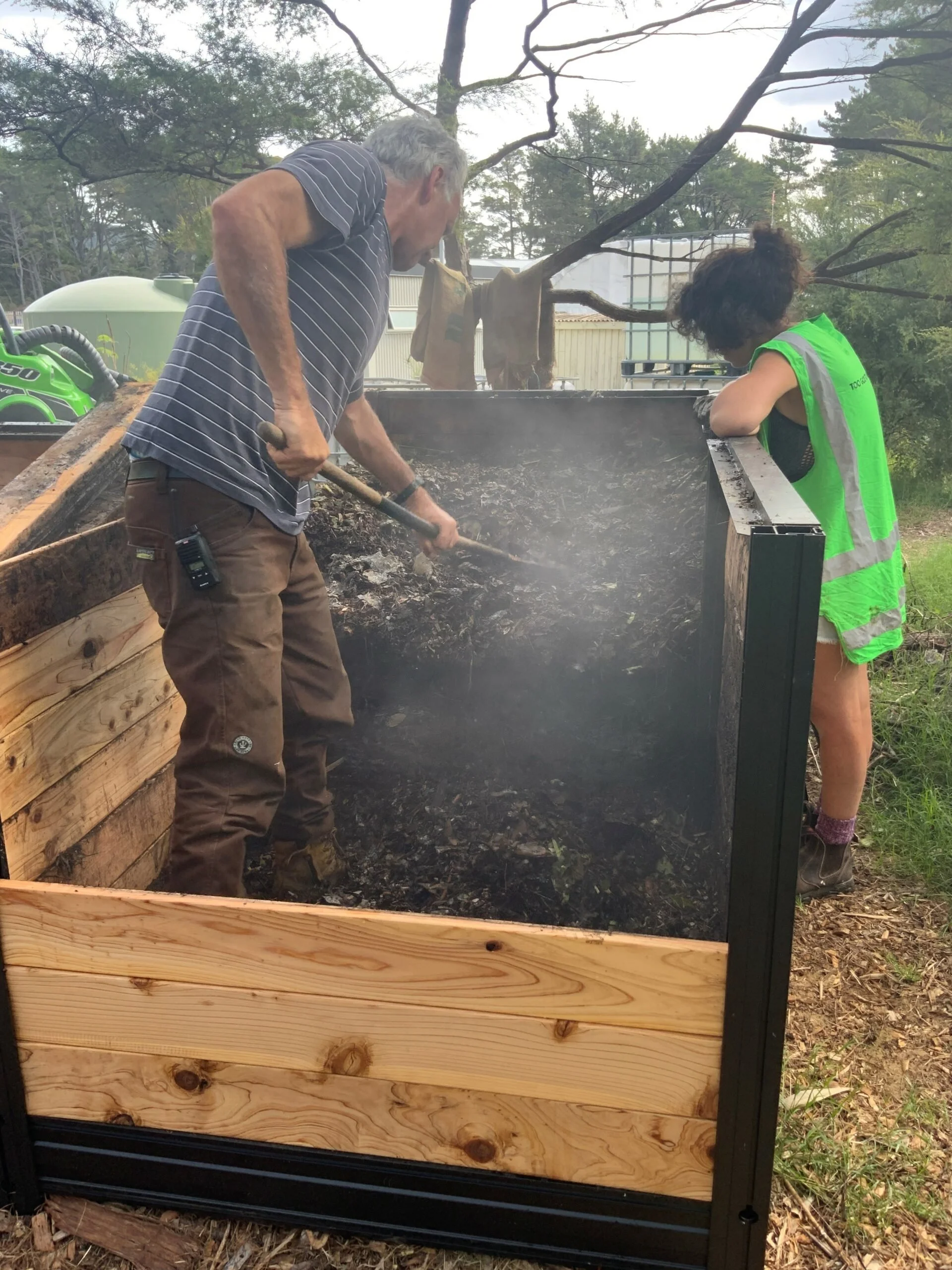
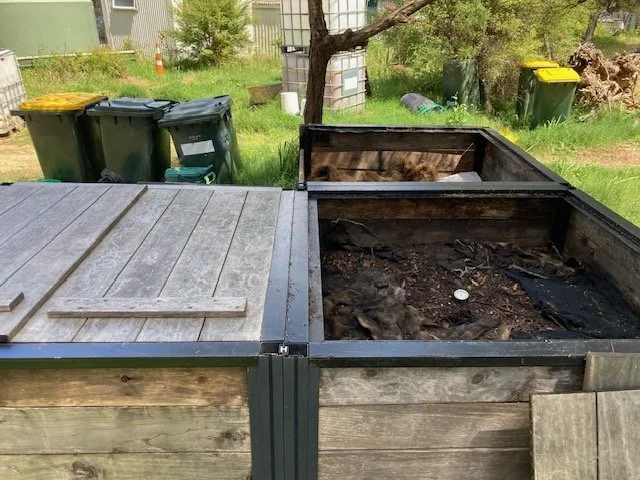
We began composting local food scraps and green waste in 2023, using Carbon Cycle bins.
At Anamata we compost a variety of biodegradable materials using the Carbon Cycle hot compost bins.
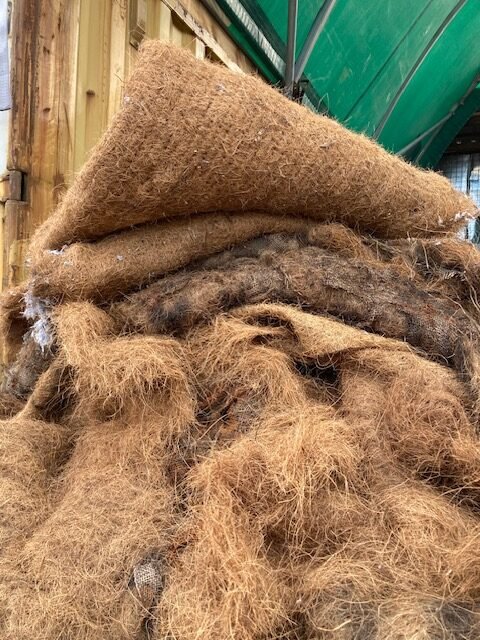
Included in these materials is coconut fiber from recycled mattresses, cotton, wool, jib/plaster board, mulch from local green waste, and nutrient-rich food scraps dropped off by household and local cafes.
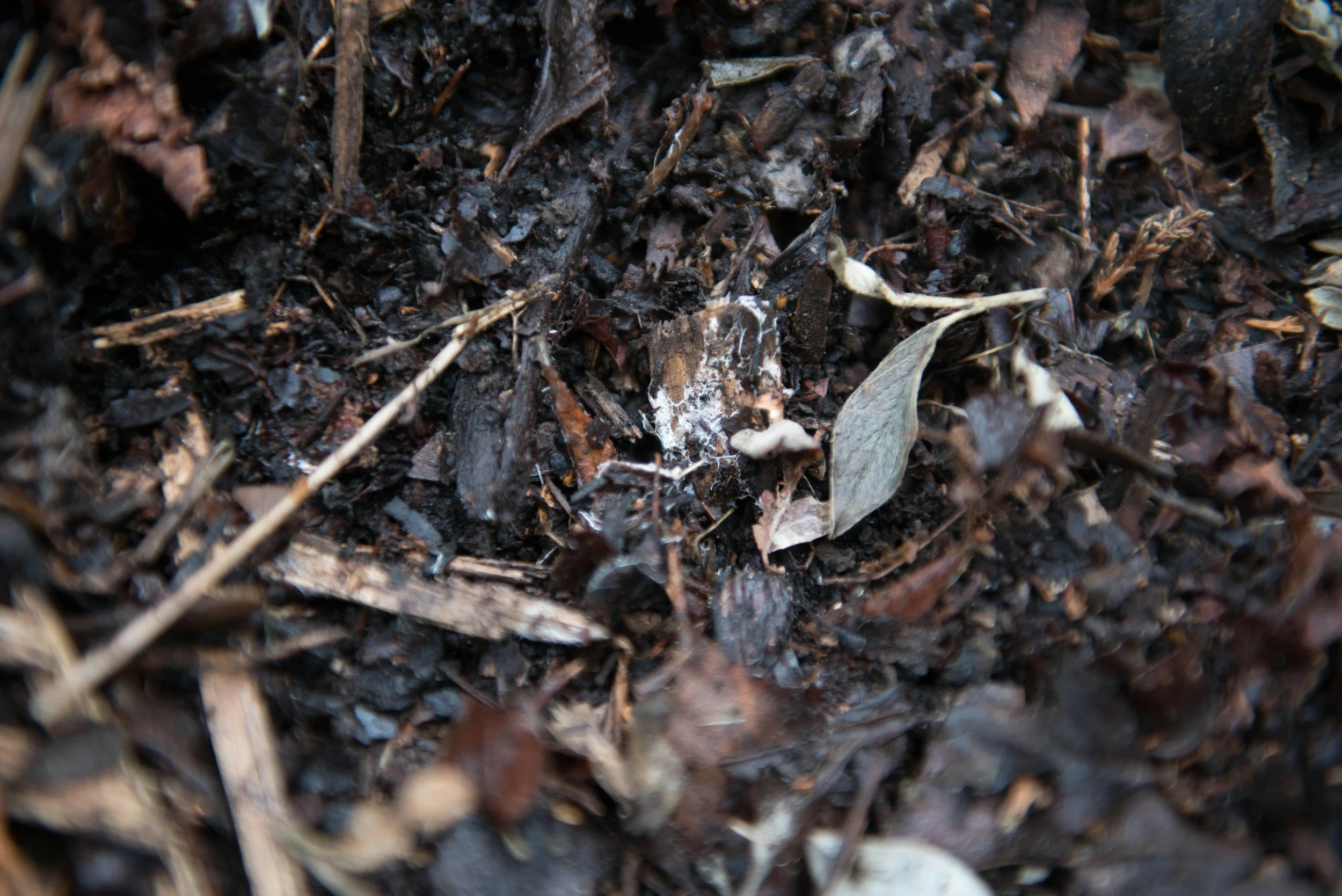
The end result is a beautiful compost which we are now selling as available.
If you aren’t in a position to compost your own food waste, we will happily accept food scraps at our recycling drop-off.